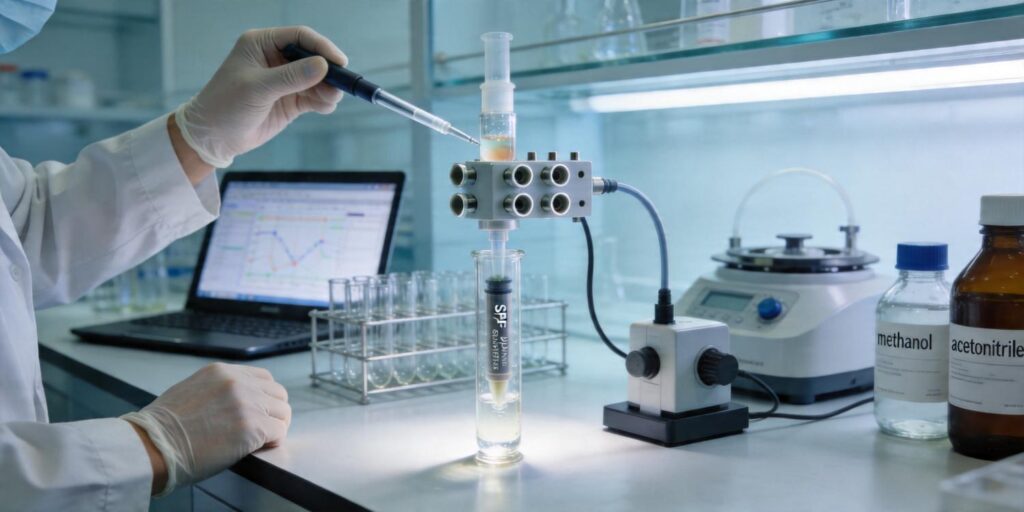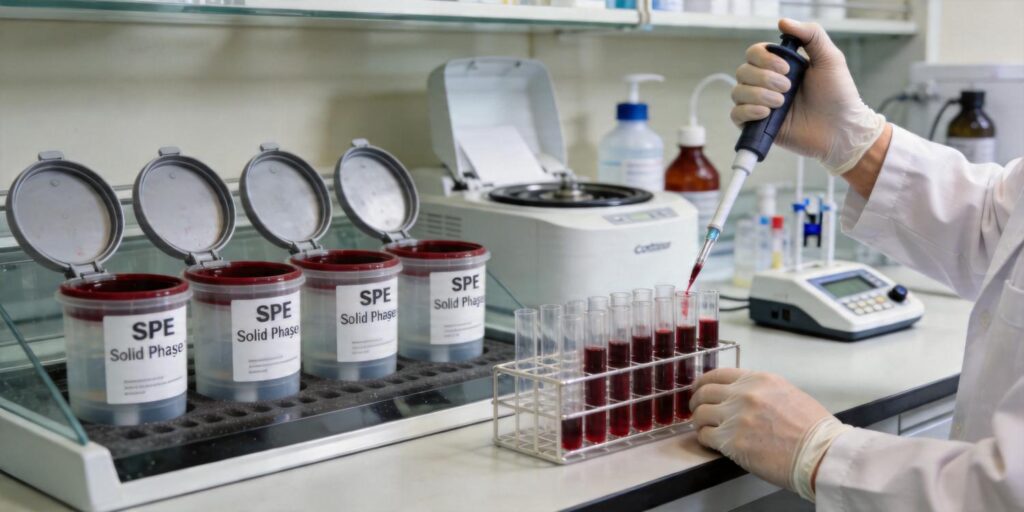
PFAS sample preparation using MAX SPE

MAX SPE Method for Extraction of Perfluorinated Compounds (PFAS)

PFAS Environmental Concern Overview Perfluorinated compounds (PFAS) represent one of the most pressing environmental challenges of our time. These synthetic chemicals, characterized by strong carbon-fluorine bonds, exhibit exceptional persistence in the environment and bioaccumulation potential. PFAS contamination has been detected globally in water sources, soil, and biological samples, raising significant public health concerns due to […]

MAX SPE Method for Extraction of Perfluorinated Compounds (PFAS) Read More »

Engineer inspecting vacuum gauge on industrial vacuum system

Vacuum Gauge Maintenance Checklist for Industrial Engineers

Inspection Intervals: Scheduling Proactive Checks to Maximize Uptime Industrial vacuum systems run continuously in demanding environments—semiconductor fabs, pharmaceutical lyophilizers, vacuum heat-treatment furnaces, and thin-film deposition tools. Vacuum gauges are the eyes of these systems, yet many engineers treat them as “set it and forget it” components. A disciplined inspection schedule prevents unexpected downtime, protects product

Vacuum Gauge Maintenance Checklist for Industrial Engineers Read More »

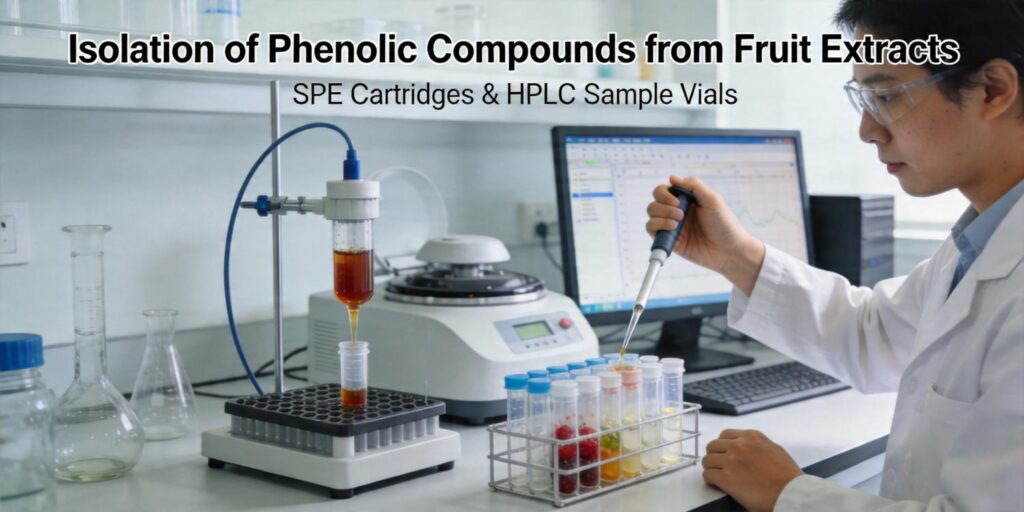
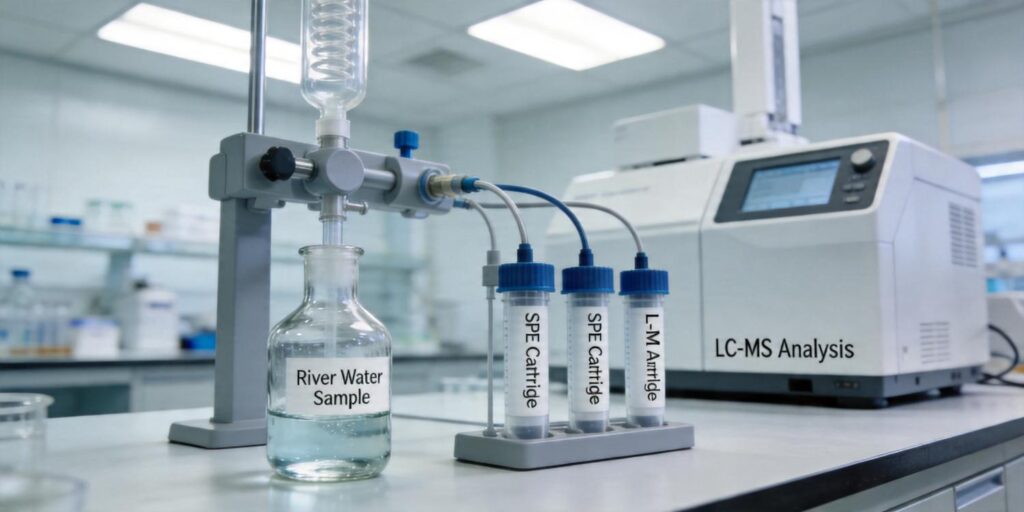
environmental water extraction using HLB SPE

Developing an HLB SPE Method for Environmental Water Samples

Typical Contaminants in Environmental Water Samples Environmental water monitoring requires robust analytical methods to detect trace levels of emerging contaminants. Hydrophilic-Lipophilic Balanced (HLB) solid-phase extraction has become the gold standard for analyzing pharmaceuticals and hormones in water matrices due to its exceptional retention capabilities across a wide polarity range. Pharmaceutical residues commonly targeted include antibiotics

Developing an HLB SPE Method for Environmental Water Samples Read More »

Vacuum gauges installed on thin film deposition chamber

Monitoring Vacuum in Thin Film Deposition Systems

Deposition Stages: Where Vacuum Monitoring Drives Film Quality Thin-film deposition—whether by physical vapor deposition (PVD), sputtering, evaporation, or chemical vapor deposition (CVD)—is a sequence of precisely timed vacuum phases. Each stage imposes different pressure demands, and real-time monitoring determines film adhesion, density, stoichiometry, and defect density. Engineers and procurement teams in semiconductor, optics, and display

Monitoring Vacuum in Thin Film Deposition Systems Read More »

Vacuum gauge flange mounted on stainless vacuum pipeline

Vacuum Gauge Compatibility with Existing Systems

Mechanical Interfaces: Plug-and-Play Compatibility with Standard Vacuum Systems Vacuum gauge retrofits succeed or fail at the mechanical interface. Most industrial and laboratory vacuum systems—mass spectrometers, freeze dryers, vacuum furnaces, and semiconductor tools—use standardized KF quick-flange connections. The Poseidon VG-SP205 Pirani Vacuum Transmitter and VG-SM225 Cold Cathode Vacuum Gauge are engineered around exactly these interfaces, eliminating

Vacuum Gauge Compatibility with Existing Systems Read More »

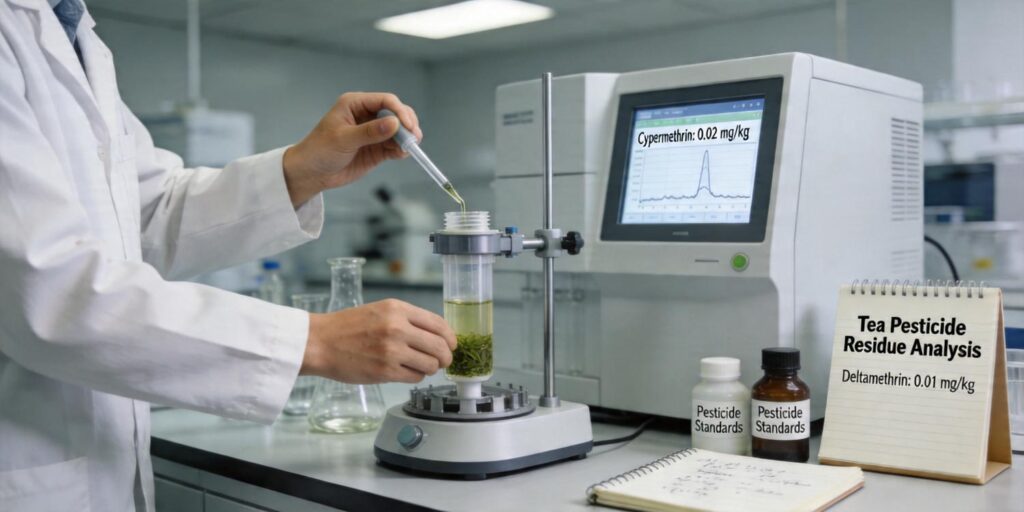
pesticide residue extraction workflow using HLB SPE

HLB SPE Workflow for Pesticide Residue Extraction in Food Samples

1. Sample Homogenization Methods Effective pesticide residue extraction begins with proper sample homogenization. For food matrices, mechanical homogenization using high-speed blenders or food processors is essential to create a uniform sample. According to literature, the QuEChERS method (Quick, Easy, Cheap, Effective, Rugged, and Safe) has revolutionized multi-residue pesticide analysis by incorporating efficient homogenization techniques. For

HLB SPE Workflow for Pesticide Residue Extraction in Food Samples Read More »

Vacuum gauge mounted on metallurgical furnace pipeline

Choosing Vacuum Gauges for Metallurgy Applications

Metallurgy Vacuum Needs: Why Precise Pressure Control Matters Vacuum heat treatment has become a cornerstone of modern metallurgy. Processes such as annealing, brazing, sintering, tempering, and diffusion bonding rely on controlled low-pressure environments to eliminate oxidation, decarburization, and hydrogen embrittlement while promoting uniform microstructure and surface cleanliness. Without reliable vacuum monitoring, these outcomes become inconsistent,

Choosing Vacuum Gauges for Metallurgy Applications Read More »

plasma sample extraction using HLB SPE cartridge

Optimizing HLB SPE for Biological Samples (Plasma and Serum)

Challenges of Plasma Matrices: Proteins and Phospholipids Plasma and serum represent some of the most challenging biological matrices for analytical chemists. These complex fluids contain approximately 7% protein content, with albumin, globulins, and fibrinogen being the major constituents that increase sample viscosity and promote clot formation. More critically, plasma contains significant concentrations of phospholipids—typically 1-2

Optimizing HLB SPE for Biological Samples (Plasma and Serum) Read More »

Vacuum chamber venting process with installed vacuum gauge

Best Practices for Vacuum Gauge Venting Procedures

Safe Venting Steps: Protecting Your Vacuum System and Gauge Investment Venting a vacuum chamber is one of the most routine yet critical operations in any automated or laboratory vacuum system. Done incorrectly, it can introduce contamination, damage sensitive gauge sensors, or trigger false alarms that interrupt production cycles. Whether you operate mass spectrometers, pharmaceutical freeze

Best Practices for Vacuum Gauge Venting Procedures Read More »

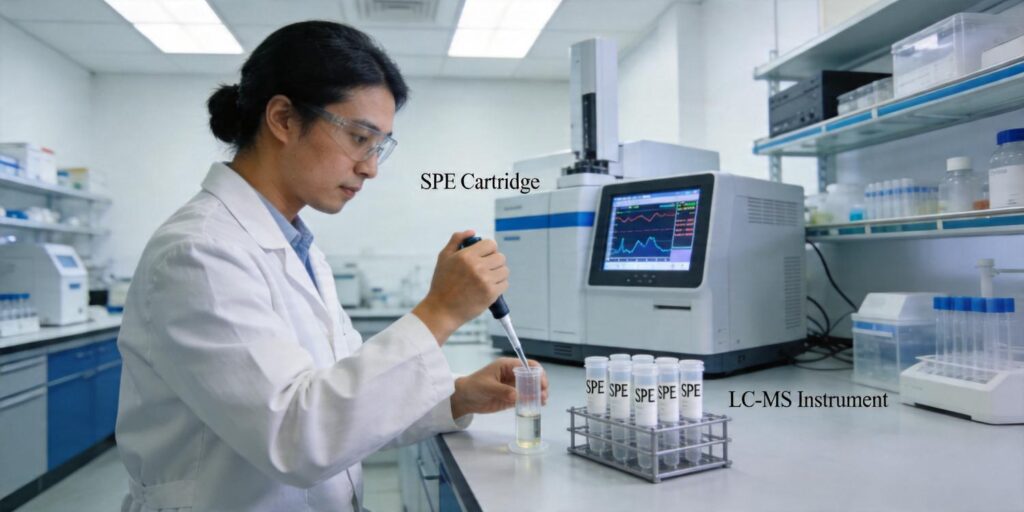
HLB SPE cartridge used for multi residue drug extraction

HLB SPE Method Development for Multi-Residue Drug Analysis

Typical Multi-Residue Drug Analysis Workflow in LC-MS Multi-residue drug analysis in LC-MS represents a critical challenge in modern analytical chemistry, requiring robust sample preparation methods to handle complex biological matrices. The typical workflow begins with sample collection and proceeds through several systematic steps to ensure accurate quantification of diverse pharmaceutical compounds. According to established protocols,

HLB SPE Method Development for Multi-Residue Drug Analysis Read More »

Shopping Cart
Poseidon Scientific
Privacy Overview

This website uses cookies so that we can provide you with the best user experience possible. Cookie information is stored in your browser and performs functions such as recognising you when you return to our website and helping our team to understand which sections of the website you find most interesting and useful.