MCX SPE cartridge used in forensic toxicology sample preparation

Using MCX SPE for Forensic Drug Analysis

Common Forensic Drugs Analyzed with MCX SPE Mixed-mode cation exchange (MCX) solid phase extraction has become a gold standard in forensic toxicology laboratories for analyzing basic drugs and their metabolites. The most commonly targeted compounds include amphetamine and methamphetamine (phenylethylamine derivatives) and cocaine metabolites such as benzoylecgonine and norcocaine. These substances are potent central nervous […]

Using MCX SPE for Forensic Drug Analysis Read More »

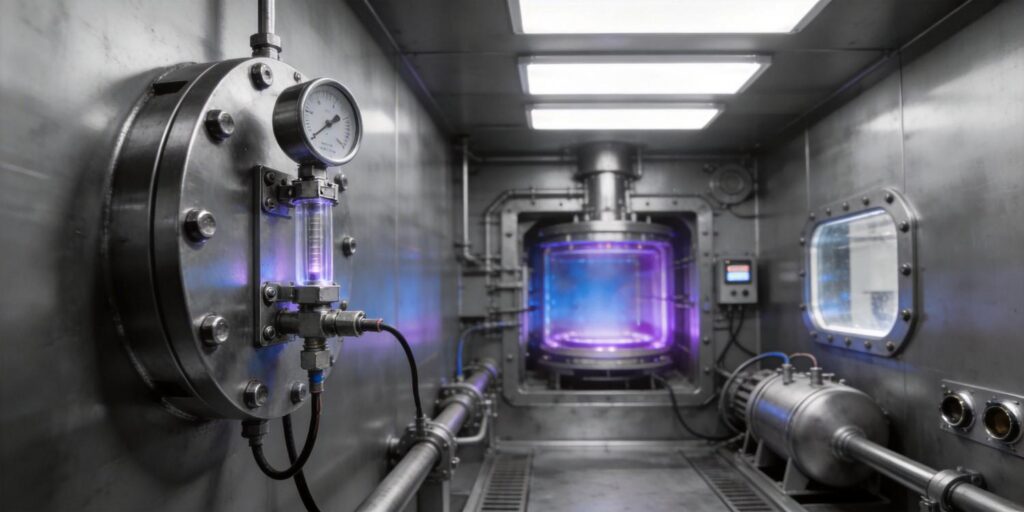
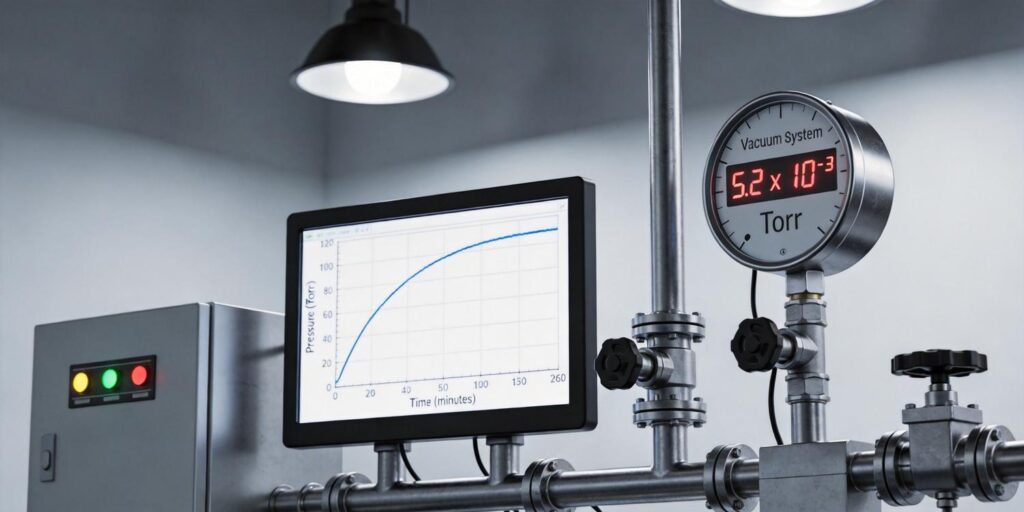
Vacuum gauge installed on chamber during venting

Vacuum Gauge Failure After Sudden Venting: Root Cause Analysis

Sudden venting—dropping a vacuum chamber from high vacuum to atmosphere in seconds—remains one of the most common causes of premature vacuum gauge failure. Engineers and maintenance teams report filament burnout in Pirani transmitters, erratic readings or permanent electrode damage in cold-cathode gauges, and occasional electronics faults after unplanned fast vents. These failures are not random;

Vacuum Gauge Failure After Sudden Venting: Root Cause Analysis Read More »

adjusting pH buffers for optimal cation exchange SPE extraction

Optimizing pH Conditions for Cation Exchange SPE

Ionization Principles for Analytes and Sorbent Groups Understanding ionization principles is fundamental to successful cation exchange solid phase extraction (SPE). The acid dissociation constant (pKa) represents the pH at which an analyte is 50% ionized, serving as the equilibrium point between protonated and deprotonated forms. For basic compounds (amines, alkaloids, pharmaceuticals), ionization occurs when the

Optimizing pH Conditions for Cation Exchange SPE Read More »

MCX cartridge removing plasma interferences in analytical chemistry lab

Removing Matrix Interference in Plasma Using MCX SPE

Major Plasma Interferences: Phospholipids, Proteins, and Salts Plasma presents one of the most challenging matrices for analytical chemists due to its complex composition. The three primary interference categories that significantly impact LC-MS analysis are phospholipids, proteins, and salts. Phospholipids are particularly problematic as they cause matrix effects, ion suppression, shorten column lifetime, increase MS maintenance

Removing Matrix Interference in Plasma Using MCX SPE Read More »

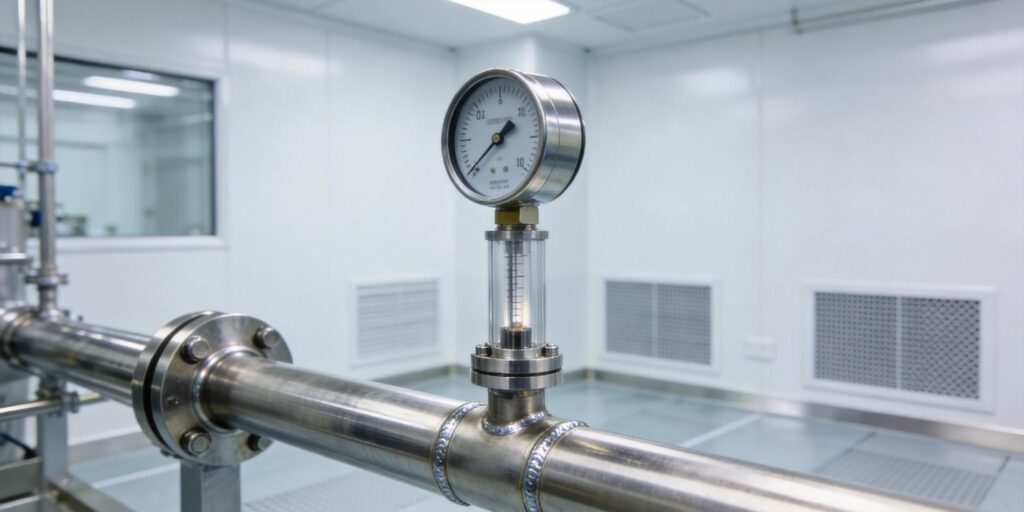
Vacuum gauge mounted on extended stainless steel pipeline

Understanding Gauge Conductance Limitations in Long Vacuum Lines

In vacuum systems, precise pressure measurement is essential for process control, equipment protection, and experimental repeatability. Yet one often-overlooked factor can introduce significant errors: the conductance of the tubing connecting a vacuum gauge to the chamber. When gauges such as the Poseidon Scientific VG-SP205 Pirani Vacuum Transmitter or VG-SM225 Cold Cathode Vacuum Gauge are mounted

Understanding Gauge Conductance Limitations in Long Vacuum Lines Read More »

Vacuum gauge monitoring chamber during gas backfill process

Why Vacuum Gauge Readings Oscillate During Gas Backfill

Backfill Flow Dynamics Gas backfill—introducing process gas (N₂, Ar, or reactive mixtures) to raise chamber pressure from high vacuum to a controlled setpoint—is a routine step in vacuum furnaces, sputtering systems, and load-lock chambers. The dynamics begin with a control valve opening, admitting a sudden pulse of gas molecules. In the molecular-flow regime (<10⁻³ Torr),

Why Vacuum Gauge Readings Oscillate During Gas Backfill Read More »

Vacuum gauge mounted on industrial brazing furnace pipeline

Vacuum Gauge Selection for Vacuum Brazing Furnaces

Vacuum Brazing Pressure Profile Vacuum brazing joins base metals using filler alloys that melt at temperatures between 450 °C and 1200 °C without flux. The process profile follows a precise vacuum curve: initial pump-down to remove air and moisture, followed by a controlled heat ramp under stable high vacuum, and finally a controlled cool-down before

Vacuum Gauge Selection for Vacuum Brazing Furnaces Read More »

WCX SPE cartridge used in peptide purification workflow

WCX SPE Protocol for Peptide Sample Cleanup

Why WCX Works Well for Peptides: Understanding pKa Behavior Weak Cation Exchange (WCX) solid-phase extraction represents a sophisticated mixed-mode approach that combines both ion-exchange and reversed-phase retention mechanisms. This dual functionality makes WCX particularly effective for peptide sample cleanup, especially when dealing with strong bases and quaternary amines. The key to understanding WCX’s effectiveness lies

WCX SPE Protocol for Peptide Sample Cleanup Read More »

MCX SPE cartridge extracting antidepressant compounds before LC-MS analysis

Step-by-Step Method for Extracting Antidepressants with MCX SPE

Target Antidepressants for MCX SPE Extraction Mixed-mode cation exchange (MCX) solid phase extraction is particularly well-suited for the isolation of basic antidepressant compounds from biological matrices. The target antidepressants in this method include: Fluoxetine (Prozac®) – A bicyclic antidepressant with pKa of approximately 9.8, widely used for depression treatment with therapeutic levels of 40-450 ng/mL

Step-by-Step Method for Extracting Antidepressants with MCX SPE Read More »

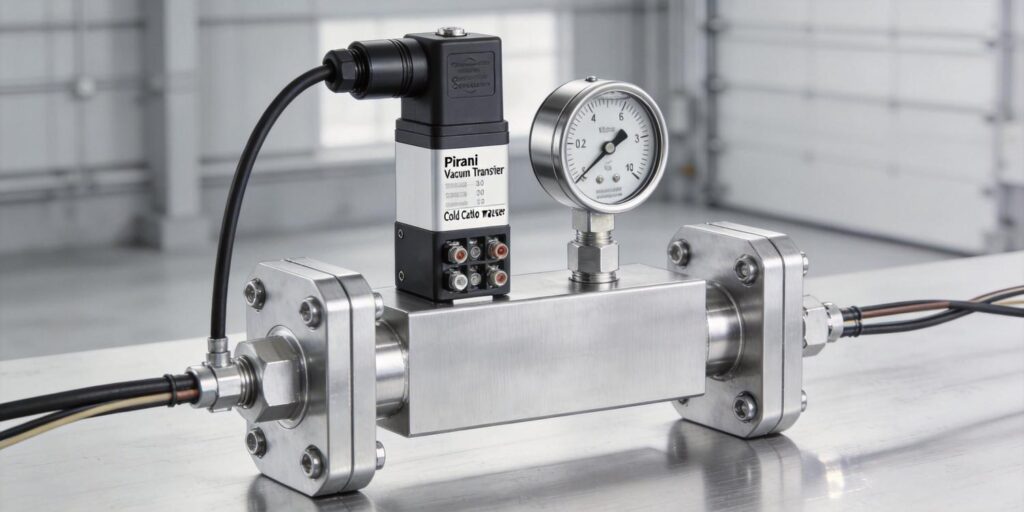
Cold cathode vacuum gauge installed on industrial chamber

Cold Cathode Gauge Current Stability and Its Impact on Measurement Linearity

Explain Discharge Current Regulation Principle Cold-cathode gauges, such as Poseidon Scientific’s VG-SM225 Cold Cathode Vacuum Gauge, operate on the Penning discharge principle. A high negative voltage is applied to the cathode (initial startup at –2500 V, then regulated to –2000 V working voltage) while a permanent NdFeB magnet produces an axial field of approximately 100

Cold Cathode Gauge Current Stability and Its Impact on Measurement Linearity Read More »

Shopping Cart
Poseidon Scientific
Privacy Overview

This website uses cookies so that we can provide you with the best user experience possible. Cookie information is stored in your browser and performs functions such as recognising you when you return to our website and helping our team to understand which sections of the website you find most interesting and useful.