environmental water pharmaceutical extraction using SPE

SPE Preconcentration of Pharmaceuticals in Surface Water

Pharmaceutical Contaminants Overview Pharmaceutical contaminants in surface water represent a growing environmental concern, with compounds ranging from non-steroidal anti-inflammatory drugs (NSAIDs) to antibiotics, hormones, and antidepressants entering aquatic systems through various pathways. These emerging contaminants typically exist at trace concentrations (ng/L to μg/L), making their detection and quantification challenging without effective preconcentration techniques. According to […]

SPE Preconcentration of Pharmaceuticals in Surface Water Read More »

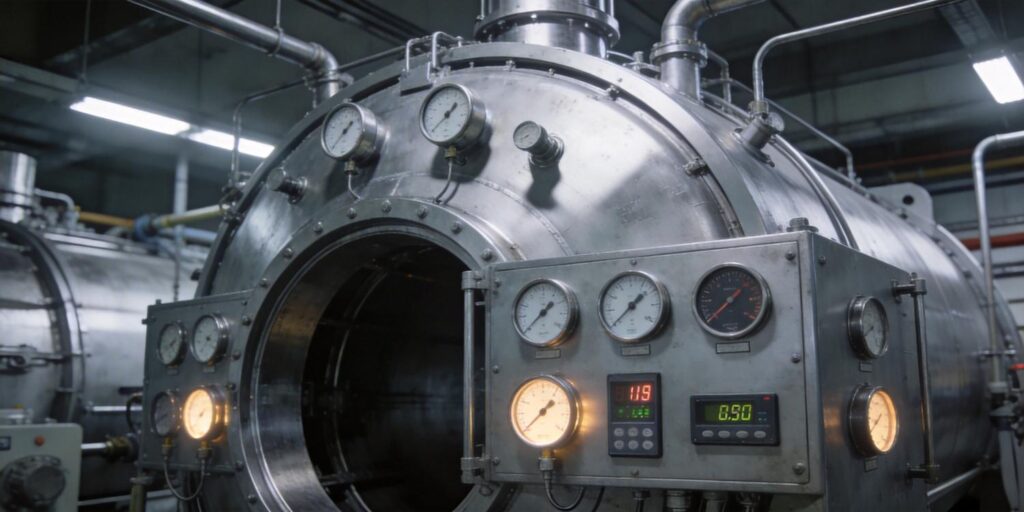
Cold cathode vacuum gauge on electron beam vacuum chamber

High Vacuum Measurement in Electron Beam Systems

Required Pressure Levels (10⁻⁵ mbar Region) Electron beam systems—scanning electron microscopes (SEM), electron-beam lithography tools, e-beam welding machines, and high-resolution analytical instruments—operate in the high-vacuum regime to ensure electrons travel in straight-line paths without scattering. At pressures above ~10⁻³ mbar (~7.5×10⁻⁴ Torr), the mean free path of residual gas molecules drops below chamber dimensions, causing

High Vacuum Measurement in Electron Beam Systems Read More »

plasma phospholipid cleanup using SPE

Removing Phospholipids from Plasma Using SPE

Phospholipid Interference in LC-MS Analysis Phospholipids represent one of the most significant challenges in liquid chromatography-mass spectrometry (LC-MS) analysis of biological samples, particularly plasma. These endogenous compounds can cause severe matrix effects, leading to ion suppression or enhancement, increased analytical variability, and reduced method sensitivity. According to Waters documentation, phospholipids are “major causes of matrix

Removing Phospholipids from Plasma Using SPE Read More »

Vacuum gauge monitoring isolated vacuum chamber

Vacuum Gauge Drift vs System Leak: How to Differentiate

Baseline Stability Test Distinguishing genuine system leaks from vacuum-gauge drift begins with a simple, repeatable baseline stability test. Pump the chamber to a known low-pressure setpoint—typically 10⁻⁴ Torr for Pirani range or 10⁻⁶ Torr for cold-cathode verification—using a clean, oil-free or well-trapped system. Isolate the pump and close all valves, then record the gauge output

Vacuum Gauge Drift vs System Leak: How to Differentiate Read More »

Vacuum gauge installed on battery production vacuum system

Selecting Vacuum Gauges for Battery Manufacturing Dry Rooms

Dry Room Vacuum Requirements Lithium-ion battery manufacturing demands ultra-dry environments to prevent moisture from reacting with lithium salts, electrolytes, or electrode materials. Dry rooms typically maintain dew points of −40 °C to −60 °C at atmospheric pressure, but the critical vacuum step occurs inside integrated drying ovens or airlock chambers. These ovens remove residual solvents

Selecting Vacuum Gauges for Battery Manufacturing Dry Rooms Read More »

pesticide extraction from fruit using SPE

Solid Phase Extraction for Pesticide Residue Analysis in Fruits

Common Pesticide Residues in Fruit Samples Fruit samples present unique challenges for pesticide residue analysis due to their complex matrices containing sugars, organic acids, pigments, and varying water content. The most commonly encountered pesticide residues in fruits span multiple chemical classes, each requiring specific analytical approaches. Organochlorine pesticides such as DDT, DDE, DDD, endosulfan, and

Solid Phase Extraction for Pesticide Residue Analysis in Fruits Read More »

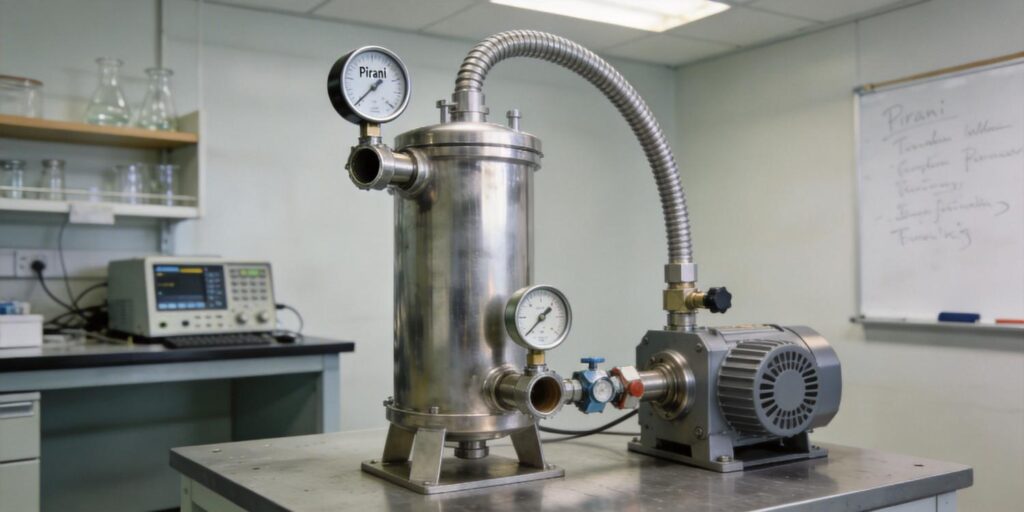
Vacuum pump system with installed vacuum gauge and oil trap

Vacuum Gauge Failure Due to Oil Backstreaming

Oil Vapor Migration Mechanism Oil backstreaming remains one of the most common yet preventable causes of vacuum-gauge failure in systems backed by oil-sealed rotary-vane or diffusion pumps. The mechanism is rooted in molecular-flow physics. When chamber pressure drops below ~10⁻² Torr, the mean free path of gas molecules exceeds the diameter of connecting tubing. Oil

Vacuum Gauge Failure Due to Oil Backstreaming Read More »

grain sample preparation using SPE extraction

SPE Cleanup for Mycotoxin Detection in Grain Samples

1. Mycotoxin Contamination Overview Mycotoxins represent a significant food safety concern in grain commodities worldwide. These toxic secondary metabolites produced by fungi such as Aspergillus, Fusarium, and Penicillium species can contaminate various grains including corn, wheat, rice, and barley. Among the most concerning mycotoxins are aflatoxins (B1, B2, G1, G2), ochratoxin A, fumonisins, deoxynivalenol, and

SPE Cleanup for Mycotoxin Detection in Grain Samples Read More »

Digital vacuum gauge displaying absolute pressure value

Comparing Absolute vs Relative Vacuum Measurement Concepts

Define Absolute Pressure Reference Vacuum measurement begins with a fundamental distinction: absolute pressure is always referenced to a perfect vacuum—zero molecules, zero pressure. This zero point is universal and unchanging, independent of location, weather, or altitude. In contrast, relative (or gauge) pressure uses local atmospheric pressure as its zero reference. At sea level on a

Comparing Absolute vs Relative Vacuum Measurement Concepts Read More »

hormone contaminant extraction using SPE cartridge

SPE Method for Hormone Analysis in Environmental Water

Environmental Sources of Steroid Hormones Steroid hormones enter environmental water systems through multiple pathways, primarily from human and animal waste. Estrogens (estrone, estradiol, estriol), androgens (testosterone), progestogens (progesterone), and synthetic hormones (ethinylestradiol) are excreted in urine and feces, passing through wastewater treatment plants that often incompletely remove these compounds. Agricultural runoff containing livestock manure and

SPE Method for Hormone Analysis in Environmental Water Read More »

Shopping Cart
Poseidon Scientific
Privacy Overview

This website uses cookies so that we can provide you with the best user experience possible. Cookie information is stored in your browser and performs functions such as recognising you when you return to our website and helping our team to understand which sections of the website you find most interesting and useful.