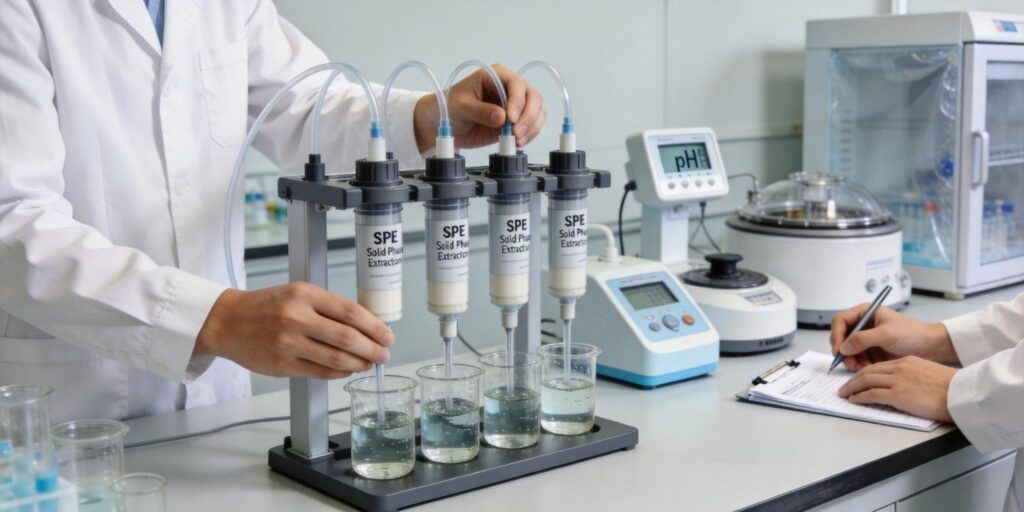
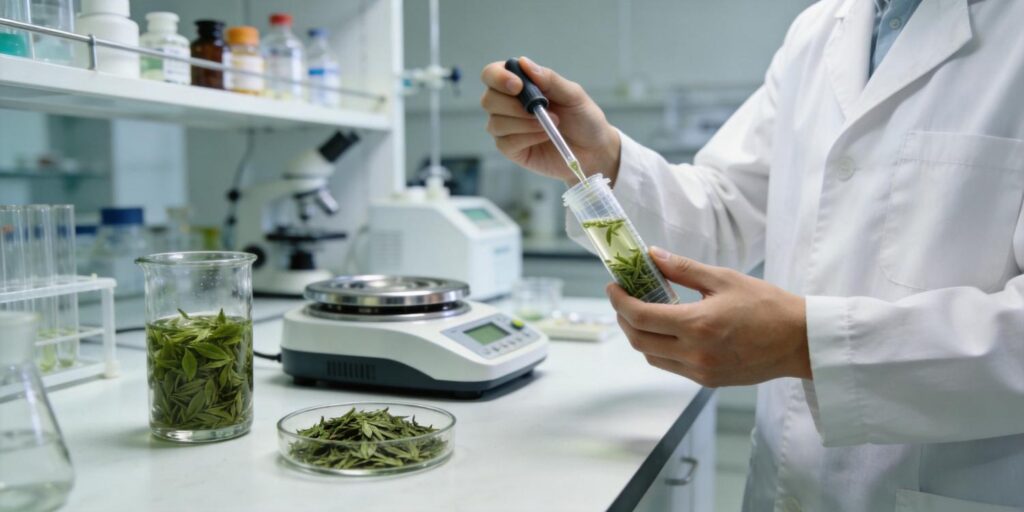
laboratory SPE extraction used for pesticide testing in tea samples

Monitoring Pesticide Residues in Tea Leaves Using SPE Cleanup

Pesticide Residue Analysis in Tea: A Step-by-Step SPE Workflow Tea is one of the most widely consumed beverages globally, and its quality and safety are paramount for both consumers and producers. Monitoring pesticide residues in tea leaves is a critical aspect of food safety, as tea plants are often treated with various pesticides during cultivation. […]

Monitoring Pesticide Residues in Tea Leaves Using SPE Cleanup Read More »
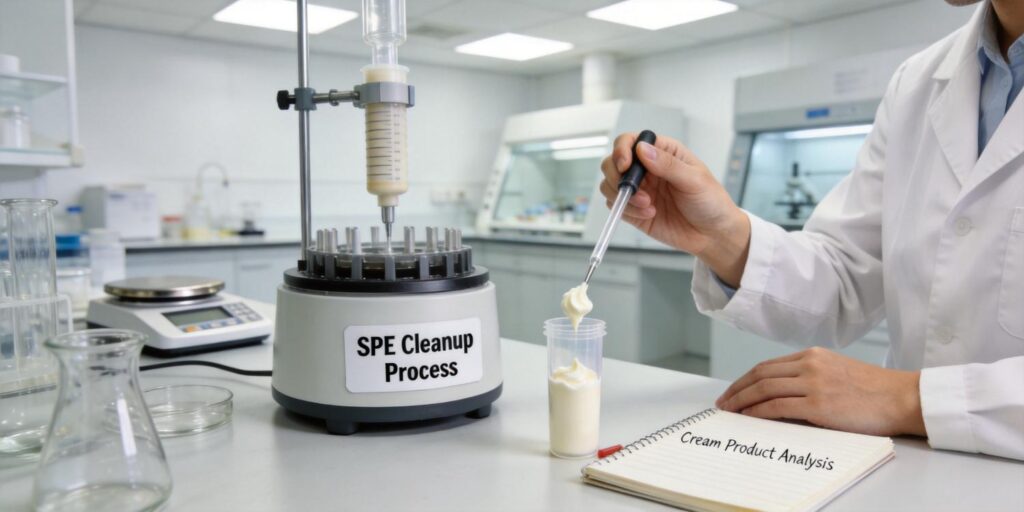
laboratory SPE cleanup used for cosmetic preservative testing

SPE Workflow for Determining Preservatives in Cosmetic Creams

Understanding Preservatives in Cosmetic Creams Preservatives are essential in cosmetic creams to prevent microbial growth and extend shelf life. Common preservatives include parabens (methyl-, ethyl-, propyl-, butyl-, and isobutylparaben), phenoxyethanol, benzyl alcohol, sorbic acid, salicylic acid, and formaldehyde-releasing agents like DMDM hydantoin. Regulatory bodies such as the EU Cosmetics Regulation (EC No. 1223/2009) and the

SPE Workflow for Determining Preservatives in Cosmetic Creams Read More »

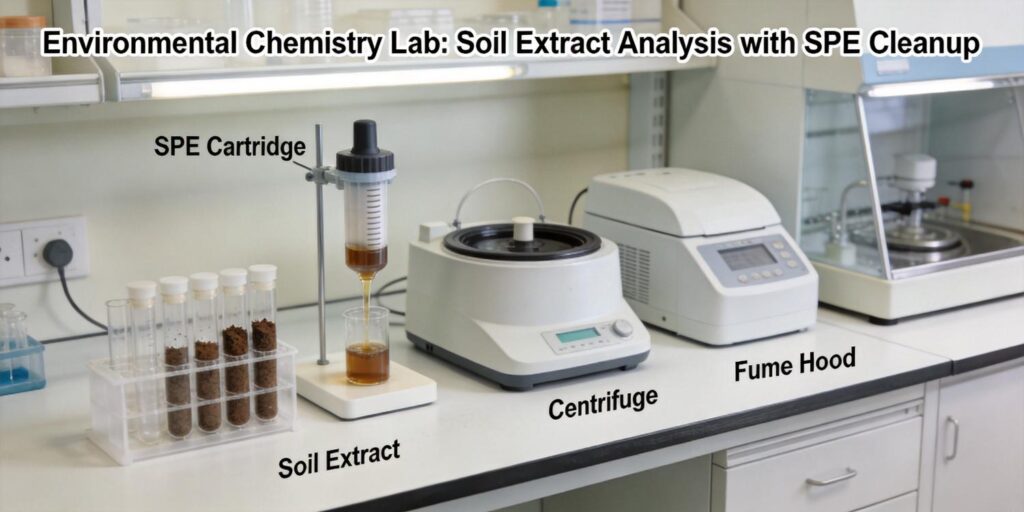
laboratory SPE extraction of PAH contaminants from soil samples

Extraction of Polycyclic Aromatic Hydrocarbons from Soil Using SPE

Environmental Concern of PAH Contamination Polycyclic aromatic hydrocarbons (PAHs) are a class of persistent organic pollutants characterized by fused aromatic rings. They are primarily generated through incomplete combustion of organic matter, including fossil fuels, biomass, and tobacco. Common sources include vehicle emissions, industrial discharges, oil spills, and wildfires. PAHs are of significant environmental concern due

Extraction of Polycyclic Aromatic Hydrocarbons from Soil Using SPE Read More »

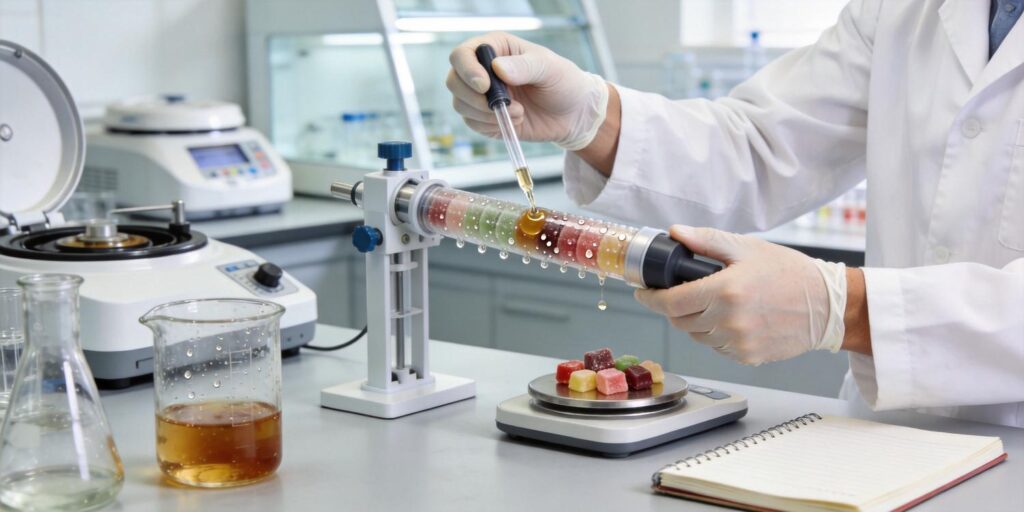
laboratory SPE cleanup used for dye analysis in candy products

SPE Cleanup Method for Detecting Synthetic Dyes in Candy Products

Types of Synthetic Dyes in Confectionery Synthetic dyes are widely used in candy products to achieve vibrant, consistent colors. Common examples include Tartrazine (E102, Yellow 5), Sunset Yellow (E110, Yellow 6), Quinoline Yellow (E104), Azorubine (E122, Carmoisine), Ponceau 4R (E124, Red 4), Allura Red (E129, Red 40), Brilliant Blue (E133, Blue 1), and Indigotine (E132,

SPE Cleanup Method for Detecting Synthetic Dyes in Candy Products Read More »

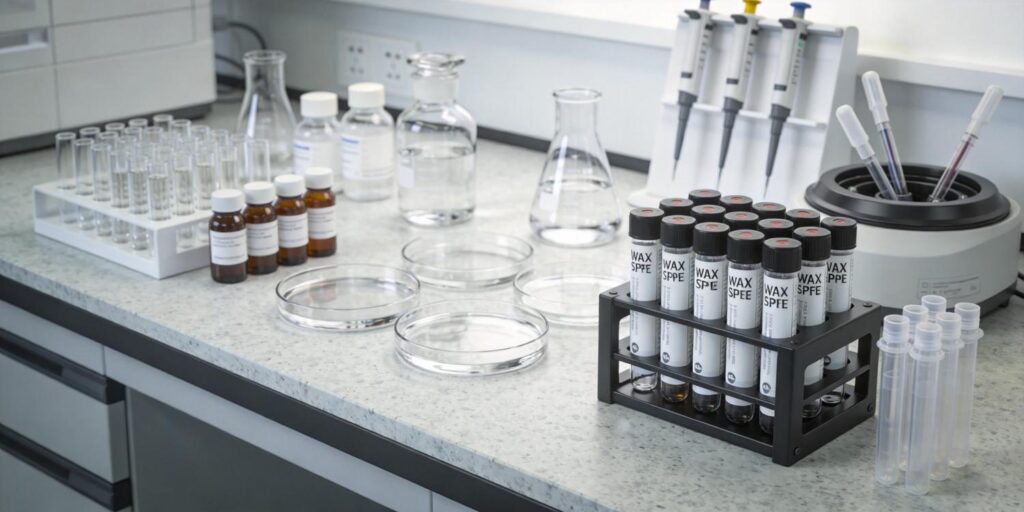
laboratory SPE extraction of short chain fatty acids from biological samples

Applying WAX SPE for the Determination of Short-Chain Fatty Acids in Biological Samples

Applying WAX SPE for the Determination of Short-Chain Fatty Acids in Biological Samples Short-chain fatty acids (SCFAs), including acetate, propionate, and butyrate, are critical metabolites produced by gut microbiota and play key roles in host metabolism, immune regulation, and disease pathology. Accurate quantification of SCFAs in biological matrices such as serum and feces is essential

Applying WAX SPE for the Determination of Short-Chain Fatty Acids in Biological Samples Read More »

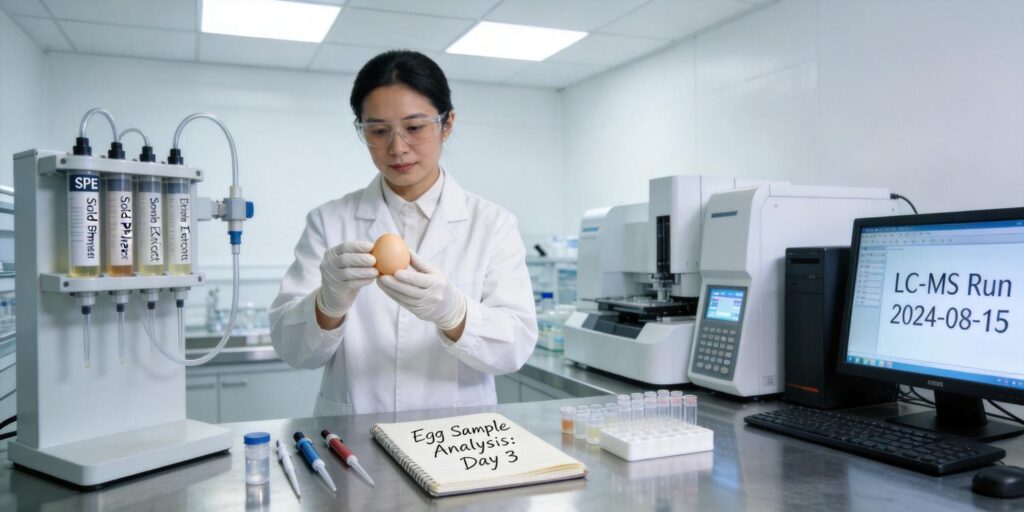
laboratory SPE extraction used for antibiotic residue analysis in eggs

Extraction of Veterinary Antibiotics from Egg Samples Using SPE

Regulatory Monitoring of Antibiotic Residues in Eggs Eggs are a staple source of protein globally, and their safety is paramount. Regulatory agencies such as the U.S. FDA, European Commission, and Codex Alimentarius have established maximum residue limits (MRLs) for veterinary antibiotics in eggs. Common monitored antibiotics include tetracyclines, sulfonamides, fluoroquinolones, and macrolides, which are used

Extraction of Veterinary Antibiotics from Egg Samples Using SPE Read More »

laboratory SPE extraction of personal care product residues from wastewater

Using HLB SPE to Monitor Personal Care Product Residues in Wastewater

Understanding Personal Care Products in the Environment Personal care products (PCPs) such as antimicrobials, preservatives, and fragrances are used daily by millions of people. These compounds enter wastewater systems through bathing, washing, and excretion. Due to their continuous release and partial removal during conventional wastewater treatment, many PCPs are classified as contaminants of emerging concern

Using HLB SPE to Monitor Personal Care Product Residues in Wastewater Read More »

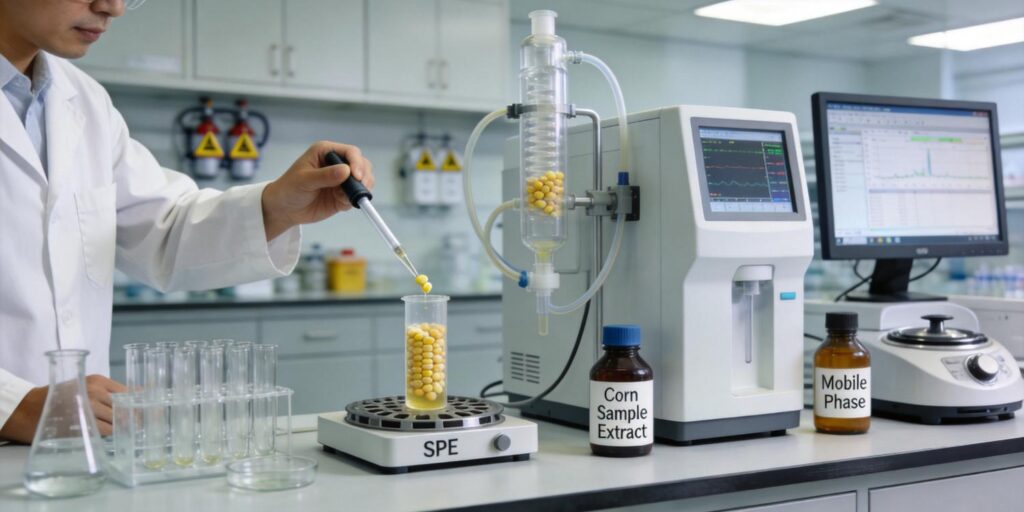
laboratory SPE cleanup used for mycotoxin testing in corn samples

SPE Cleanup Workflow for Detecting Mycotoxins in Corn Samples

Overview of Mycotoxin Contamination in Maize Mycotoxins are toxic secondary metabolites produced by fungi such as Aspergillus, Fusarium, and Penicillium species, which commonly infect maize (corn) in the field or during storage. Key mycotoxins of concern in maize include aflatoxins (especially B1, B2, G1, G2), fumonisins (B1, B2), deoxynivalenol (DON), zearalenone (ZEN), and ochratoxin A

SPE Cleanup Workflow for Detecting Mycotoxins in Corn Samples Read More »

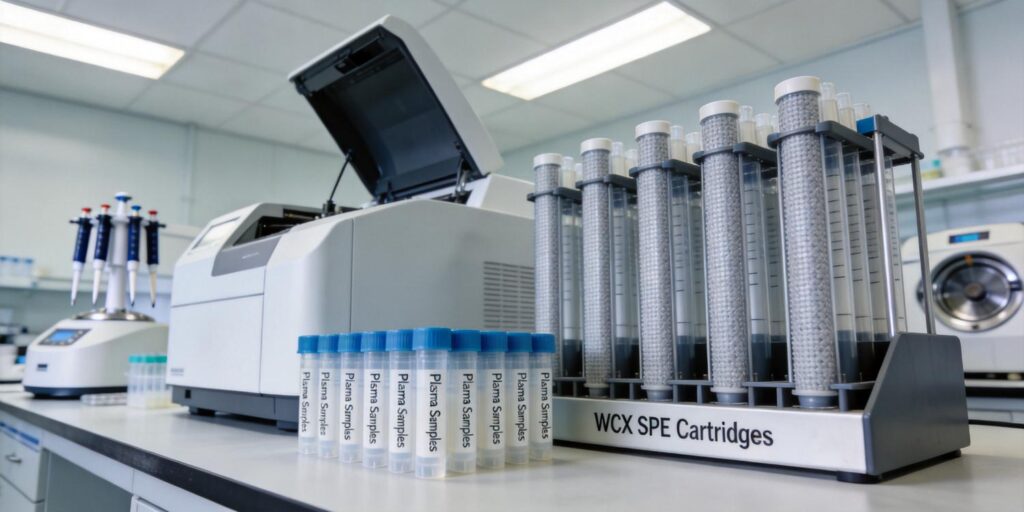
clinical laboratory extracting peptide hormones from plasma using WCX SPE cartridges

Developing a WCX SPE Protocol for Isolation of Peptide Hormones from Plasma

Importance of Peptide Hormone Analysis in Clinical Research Peptide hormones such as insulin, glucagon, and growth hormone play critical roles in metabolic regulation, making them key biomarkers in clinical research. Accurate quantification from complex plasma matrices is essential for understanding disease mechanisms and monitoring therapeutic interventions. However, their low endogenous concentrations (often in the pg/mL

Developing a WCX SPE Protocol for Isolation of Peptide Hormones from Plasma Read More »

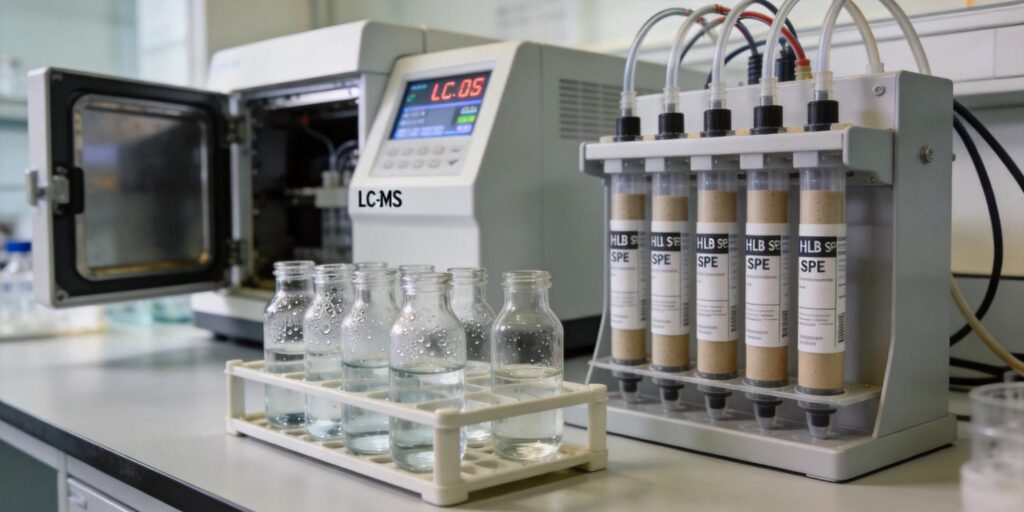
laboratory extraction of sulfonamide antibiotics from environmental water using HLB SPE

Optimizing HLB SPE for the Extraction of Sulfonamide Antibiotics from Surface Water

1. Environmental Relevance of Sulfonamide Antibiotics in Aquatic Systems Sulfonamide antibiotics (SAs) are among the most widely used veterinary and human medicines, leading to their ubiquitous presence in surface waters through agricultural runoff, wastewater effluent, and direct disposal. These compounds are polar, moderately water-soluble (log Kow 0.1–1.7), and resistant to biodegradation, resulting in persistence in

Optimizing HLB SPE for the Extraction of Sulfonamide Antibiotics from Surface Water Read More »

Shopping Cart
Poseidon Scientific
Privacy Overview

This website uses cookies so that we can provide you with the best user experience possible. Cookie information is stored in your browser and performs functions such as recognising you when you return to our website and helping our team to understand which sections of the website you find most interesting and useful.